What a CRM used to be
For three decades, a CRM was a database with a nice interface. You typed in contacts, logged calls, and moved deals across a pipeline. The software remembered things so your team didn't have to — but it never did anything on its own. Every follow-up, every reply, every reminder still depended on a human remembering to act.
That model worked when sales teams were small and lead volume was manageable. But for businesses running hundreds of WhatsApp conversations a day — immigration consultancies, real estate brokerages, clinics — the manual model breaks. Leads go cold while reps sleep. Follow-ups slip. Revenue leaks.
The agentic shift
An agentic AI operating system for business flips the model. Instead of waiting for a human to act, autonomous AI agents take action themselves — within rules you define. They reply to new enquiries instantly, score every lead, chase documents, recover stuck payments, and even make phone calls.
The difference is simple: a traditional CRM remembers. An agentic CRM acts.
Think of it as the difference between a filing cabinet and a team of tireless junior staff who never forget, never sleep, and work in 20 languages at once.
How agents actually work
In Redule, there are specialized AI agents, each owning one job. They share a single lead graph, so when one agent learns something — say, a lead just asked about Canada PR — every other agent knows it too.
- Conversation AI answers chats 24/7 across WhatsApp, Instagram and Messenger
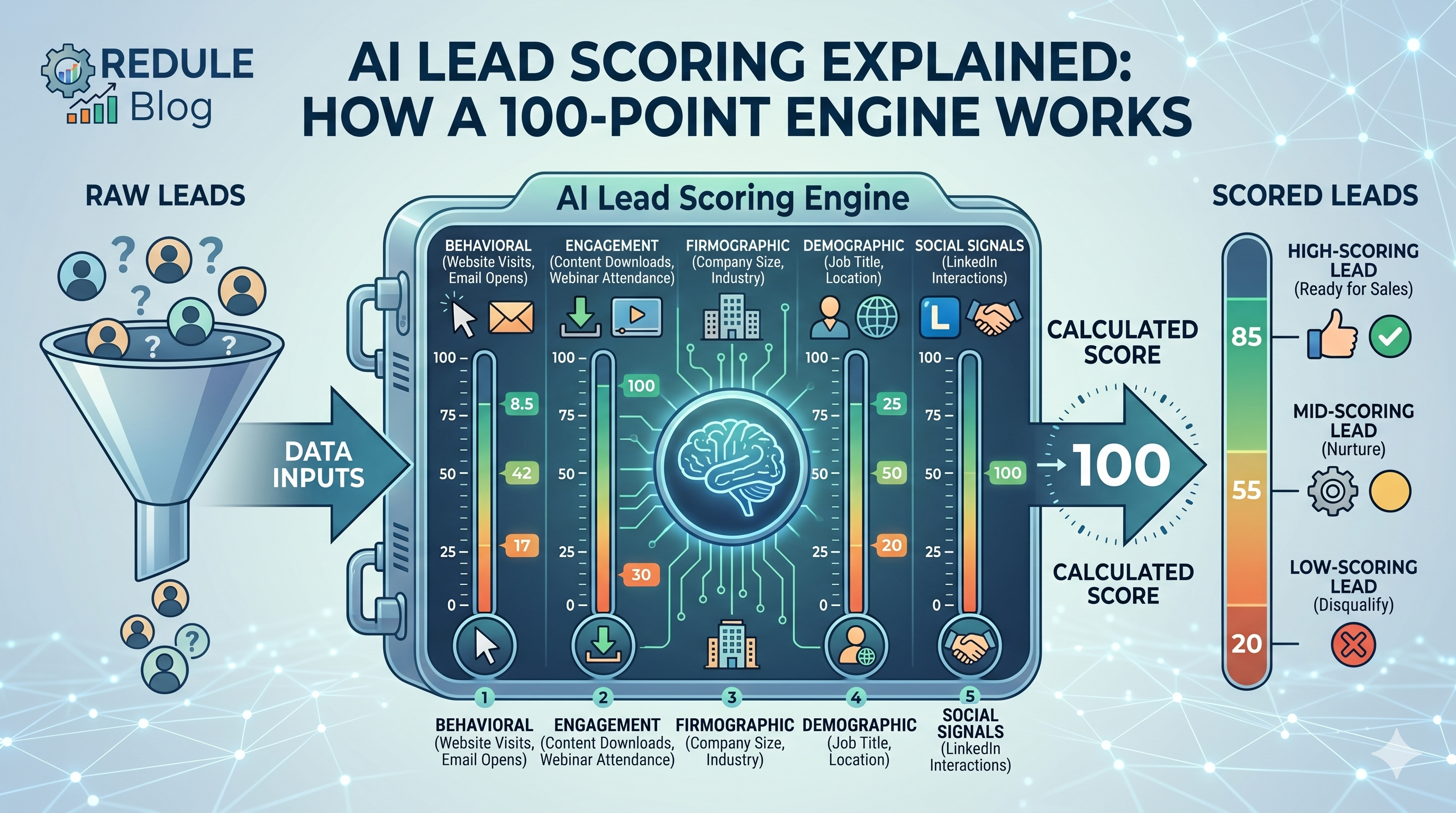
- Hot Lead Detector scores each lead on a 100-point scale and prioritizes the hottest
- Voice Calling AI places real phone calls, books meetings, and follows up
- Payment Reminder detects stuck payments and escalates politely across four tiers
Agents don't replace your judgment — they execute the repetitive work so your team focuses on closing.
Agentic vs traditional
| Capability | Traditional CRM | Agentic CRM |
|---|---|---|
| Stores contacts | Yes | Yes |
| Replies to leads | Manual | Autonomous |
| Scores leads | Rule-based | AI, continuous |
| Makes calls | No | Yes |
| Works while you sleep | No | Yes |
Should you switch?
If your business sells through conversations and you're losing leads to slow follow-up, an agentic CRM pays for itself fast. The honest caveat: agentic tools are newer, so evaluate setup time, language support, and whether agents can be configured to your workflow — not a generic template.
Redule deploys in about 14 days and starts at $10/seat, so the cost of trying is low. The cost of another quarter of leaked pipeline usually isn't.
See Redule's agents in action
Deploy autonomous AI agents for your business. Deploy in 10 Min, from $10/seat.